- INFORMATION
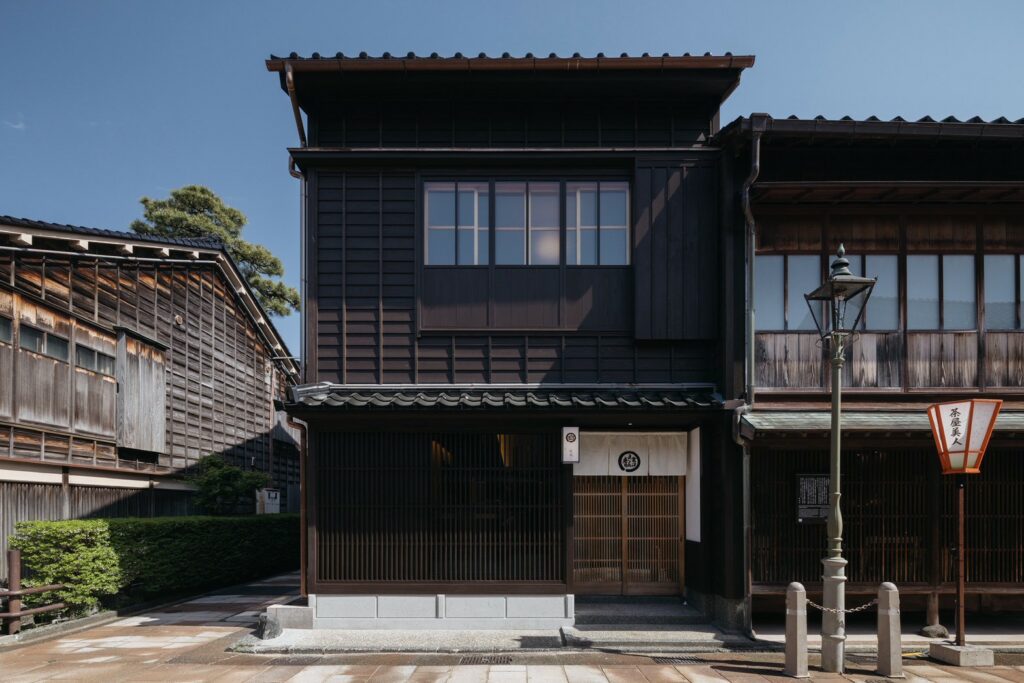
加賀水引をコンセプトにした1日1組限定の町家宿「YADO 璃那 RINA」が金沢・ひがし茶屋街に2026年6月1日オープン。
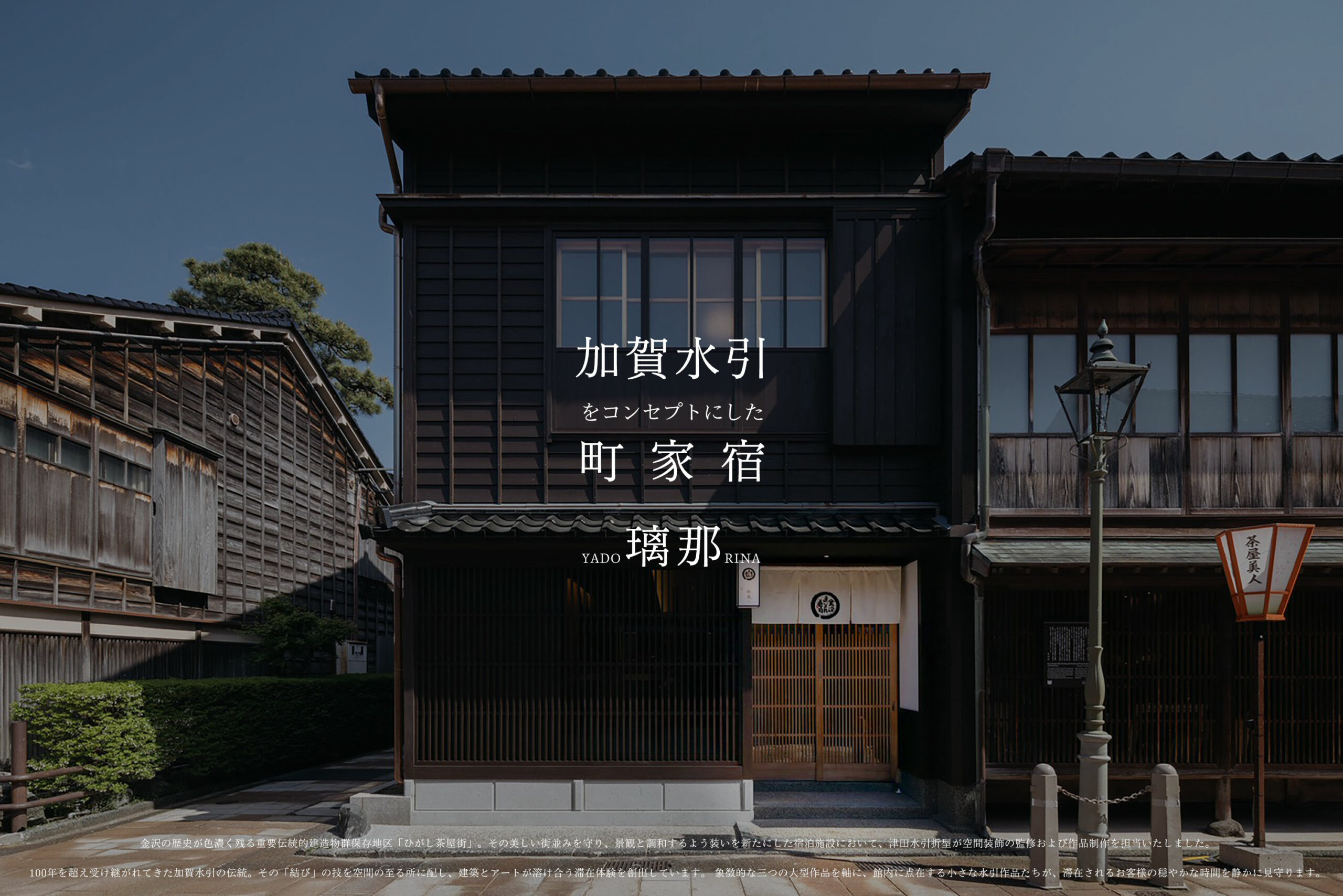
株式会社リナシェンテ(本社:石川県金沢市、代表取締役:東海林 寿典)は、2026年6月1日(月)、石川県金沢市東山のひがし茶屋街に、町家宿「YADO 璃那 RINA」(読み:やどりな)をオープンいたします。
→プレスリリース
https://prtimes.jp/main/html/rd/p/000000040.000151077.html
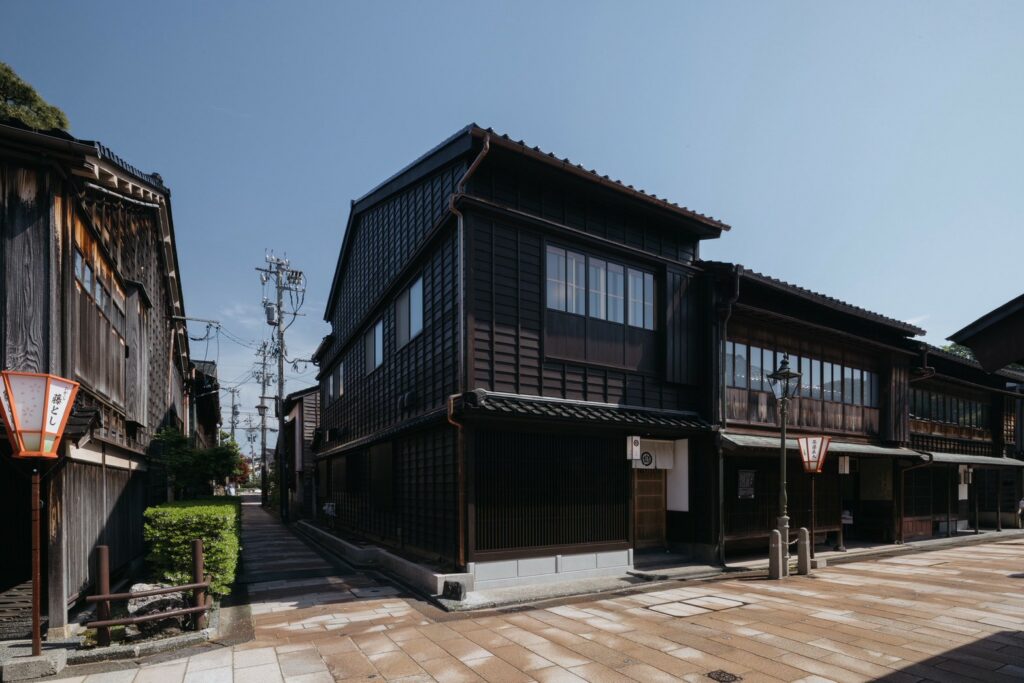
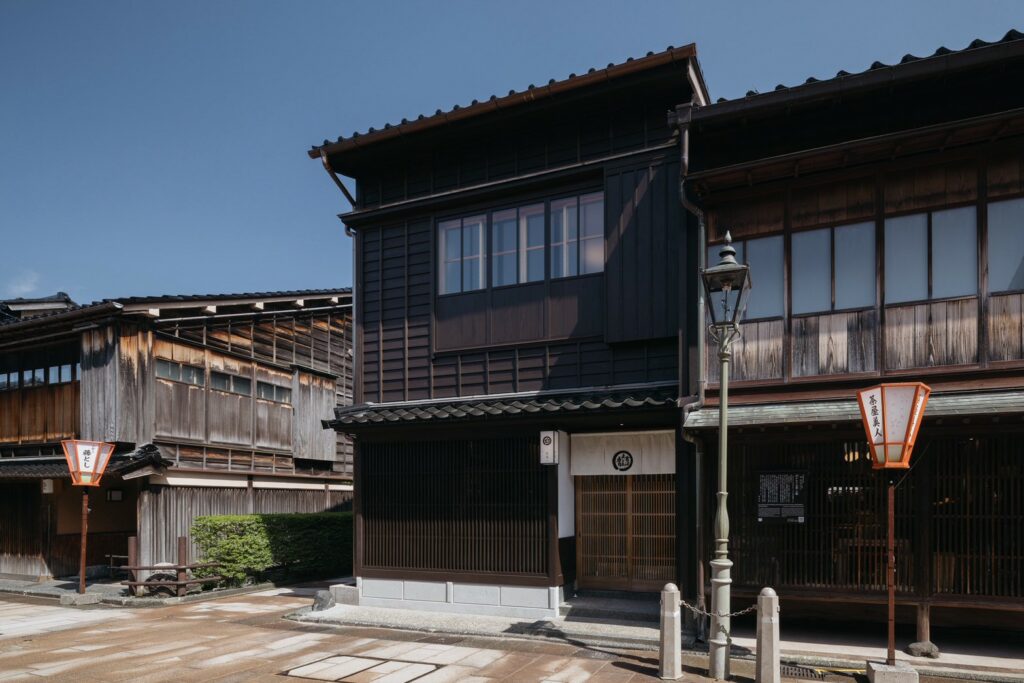
当宿は、1日1組限定(定員2〜3名)のプライベート宿です。ひがし茶屋街のメインストリートという、金沢を象徴する通りに佇む一棟宿で、2階からは、風情ある町並みを“特等席”で一望できます。
当宿の最大の特徴は、金沢の伝統工芸である「加賀水引」を空間装飾に取り入れていることです。監修および制作は、金沢で五代にわたり「加賀水引」の技を受け継ぐ「津田水引折型」が担当しました。館内には、水引の庭、水引欄間、目出鯛、松竹梅など、吉祥の意味を持つ水引作品をしつらえ、宿泊そのものが祈りや祝福に包まれるような空間をつくり上げました。
室内は、2つの和室を中心に、広縁、キッチン、トイレ、洗面・脱衣室、シャワールームを備えています。建物奥には水まわりをまとめ、滞在中の使いやすさにも配慮しました。定員は2〜3名で、ご夫婦やご友人同士、親子での旅行など、少人数での滞在に適しています。
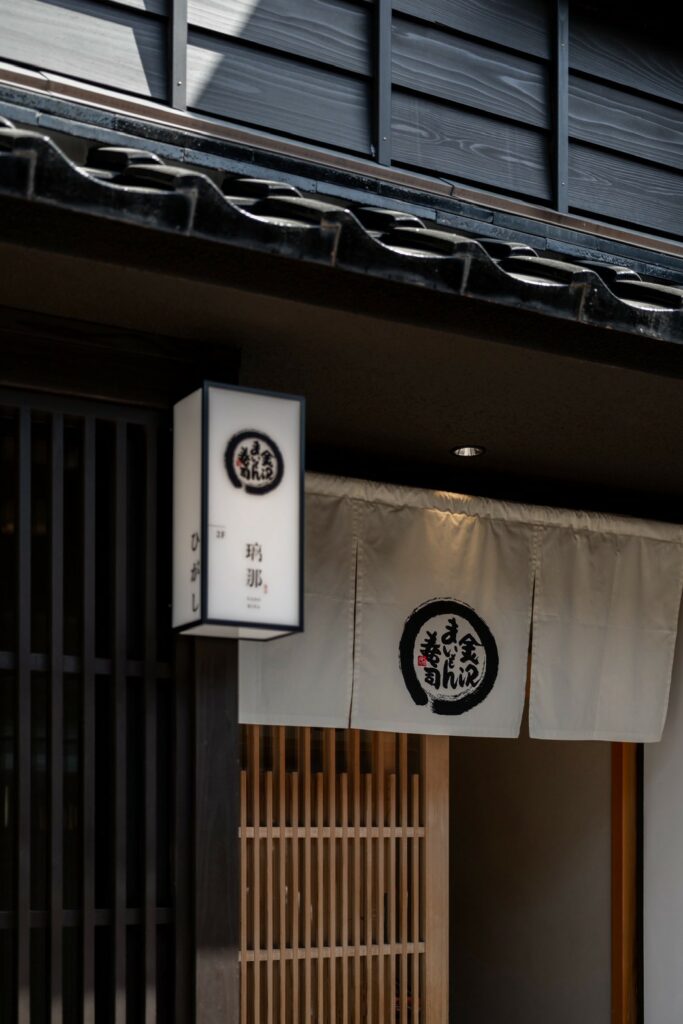
また、璃那と同じ建物の1階には、株式会社リナシェンテのグループ会社である株式会社エムアンドケイが運営する「金沢まいもん寿司 ひがし茶屋街店」。璃那は、ひがし茶屋街の町家に泊まる特別感と、金沢の食文化を身近に感じられる立地を活かし、滞在を通じて金沢の魅力をより深く感じていただける宿を目指しています。
→予約はこちら
https://yadorina.booking.chillnn.com/ja/?utm_source=ig&utm_medium=social&utm_content=link_in_bio&fbclid=PAdGRleAShkh1leHRuA2FlbQIxMQBzcnRjBmFwcF9pZA8xMjQwMjQ1NzQyODc0MTQAAafnUpSy-L5wH-jwdlYkgoBfx3dTEgzi62nHZjJgyzDmN_uRggJo2MQpbDcTpw_aem_GEXJYVWFXO4H6Xg3GSAKSg
金沢・ひがし茶屋街 宿泊施設の空間装飾 監修・制作
― 伝統の結びが彩る、ひがし茶屋街の新たな滞在空間 ―
金沢の歴史が色濃く残る重要伝統的建造物群保存地区「ひがし茶屋街」。その美しい街並みを守り、景観と調和するよう装いを新たにした宿泊施設において、津田水引折型が空間装飾の監修および作品制作を担当いたしました。
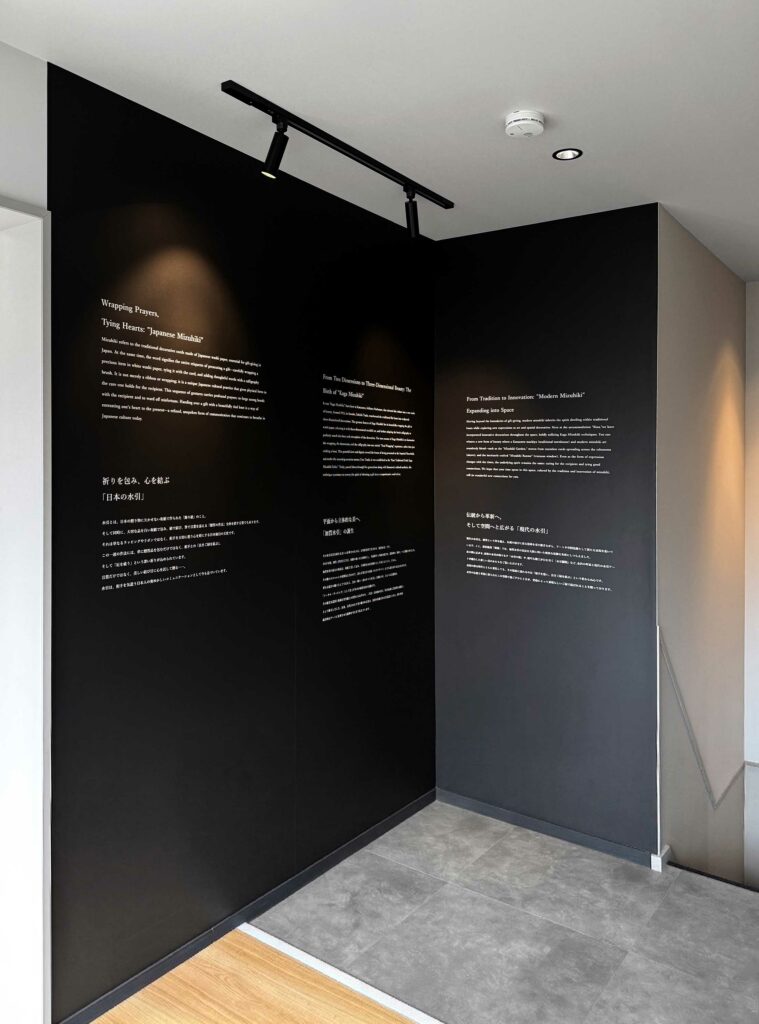
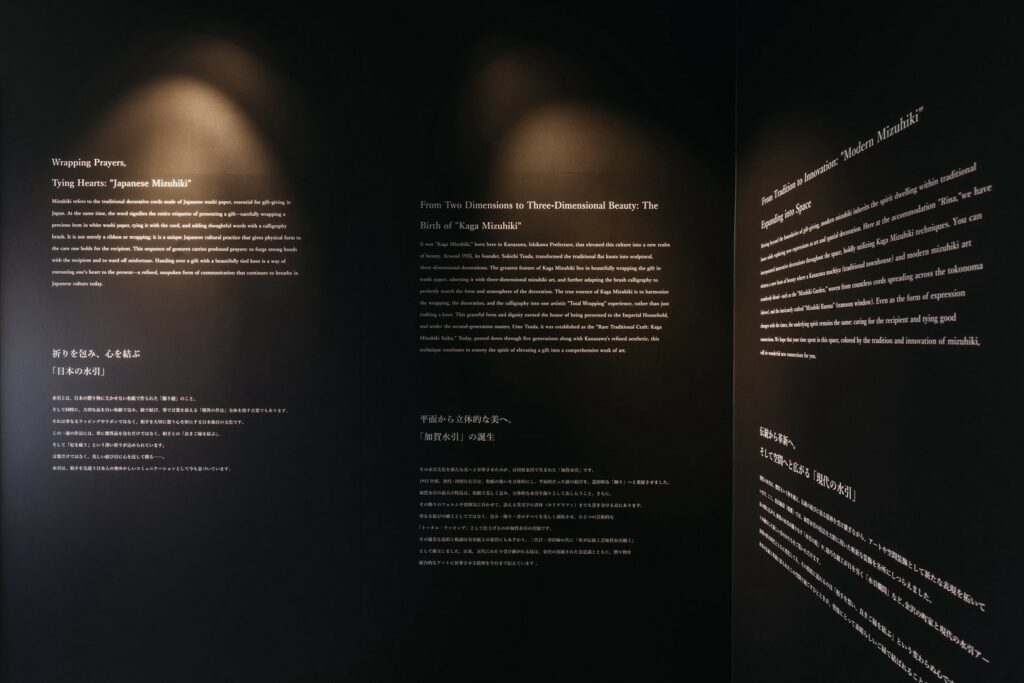
100年を超え受け継がれてきた加賀水引の伝統。その「結び」の技を空間の至る所に配し、建築とアートが溶け合う滞在体験を創出しています。 象徴的な三つの大型作品を軸に、館内に点在する小さな水引作品たちが、滞在されるお客様の穏やかな時間を静かに見守ります。
【施設概要】
施設名:YADO 璃那 RINA
所在地:石川県金沢市東山1-26-1 2階
オープン日:2026年6月1日(月)
定員:2〜3名
アクセス:金沢駅よりタクシーで約15分
電話番号:080-9781-4192
チェックイン:15:00〜 20:00まで
チェックアウト:11:00
運営:株式会社リナシェンテ
空間装飾の監修・制作:津田水引折型
【主要作品紹介】
・水引の庭(居間)
・水引欄間(居間・寝室の境界)
・生命(いのち)宿る、松竹梅(寝室)
今回のプロジェクトでは、空間全体の装飾監修と、そこに設える水引作品の制作を合わせて担わせていただきました。伝統工芸が空間の一部として静かに佇み、滞在される方々の心に寄り添う。津田水引折型はこれからも、受け継がれてきた「結び」の技を用いて、空間に新たな景色と祈りを添えてまいります。
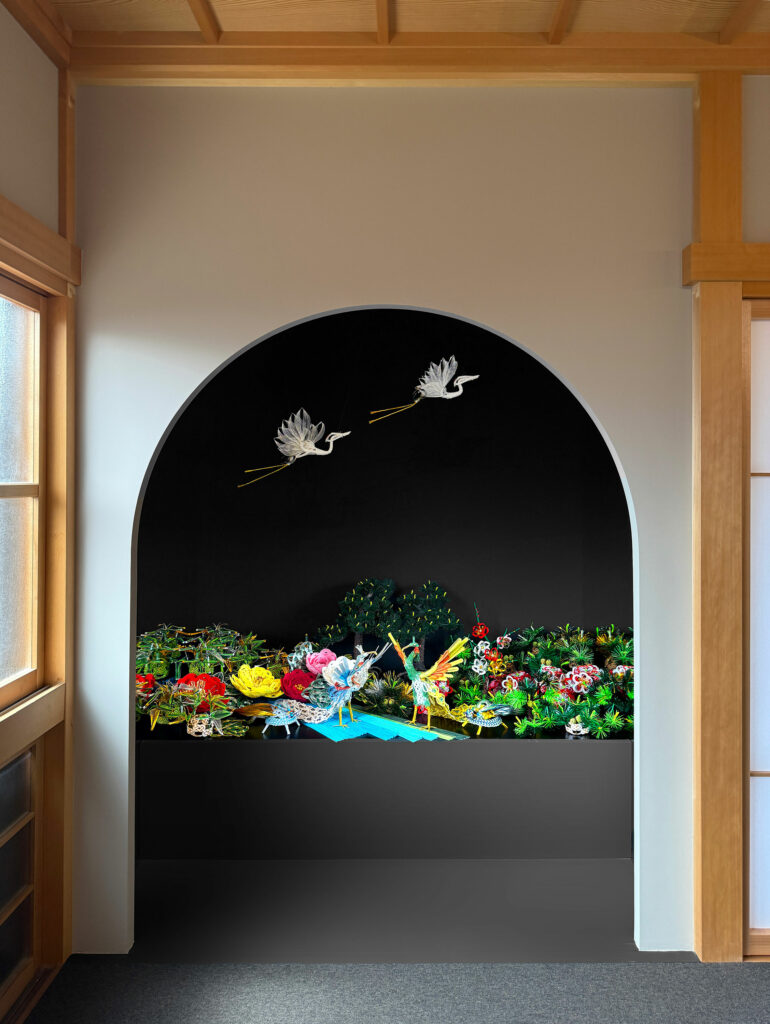
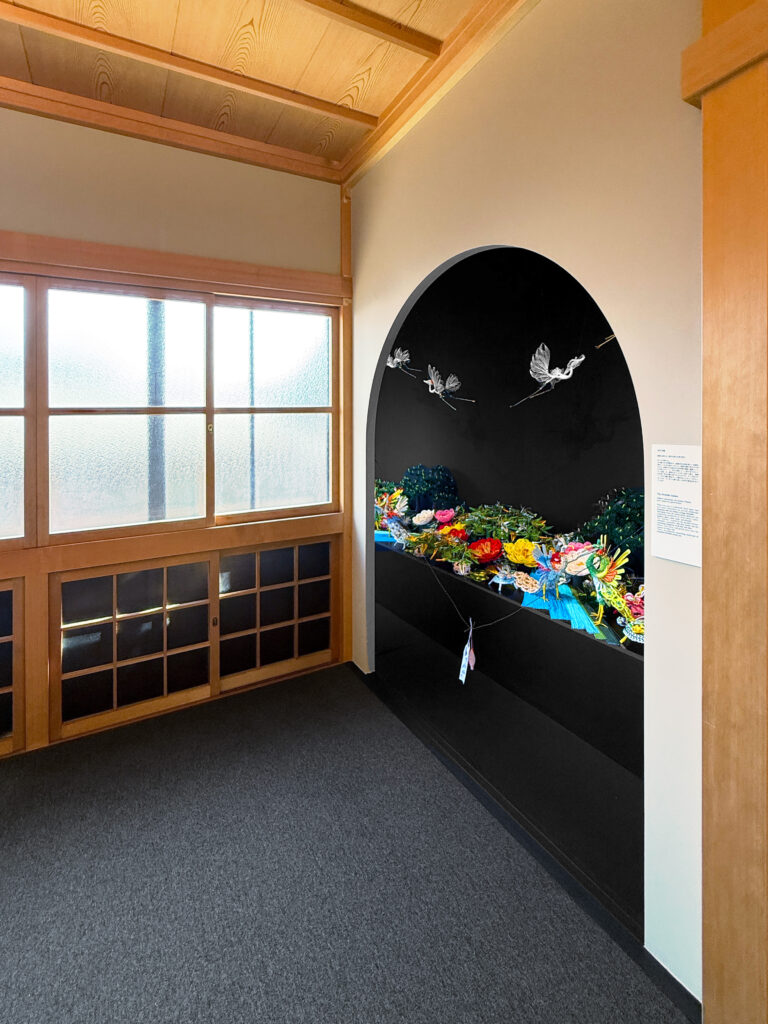
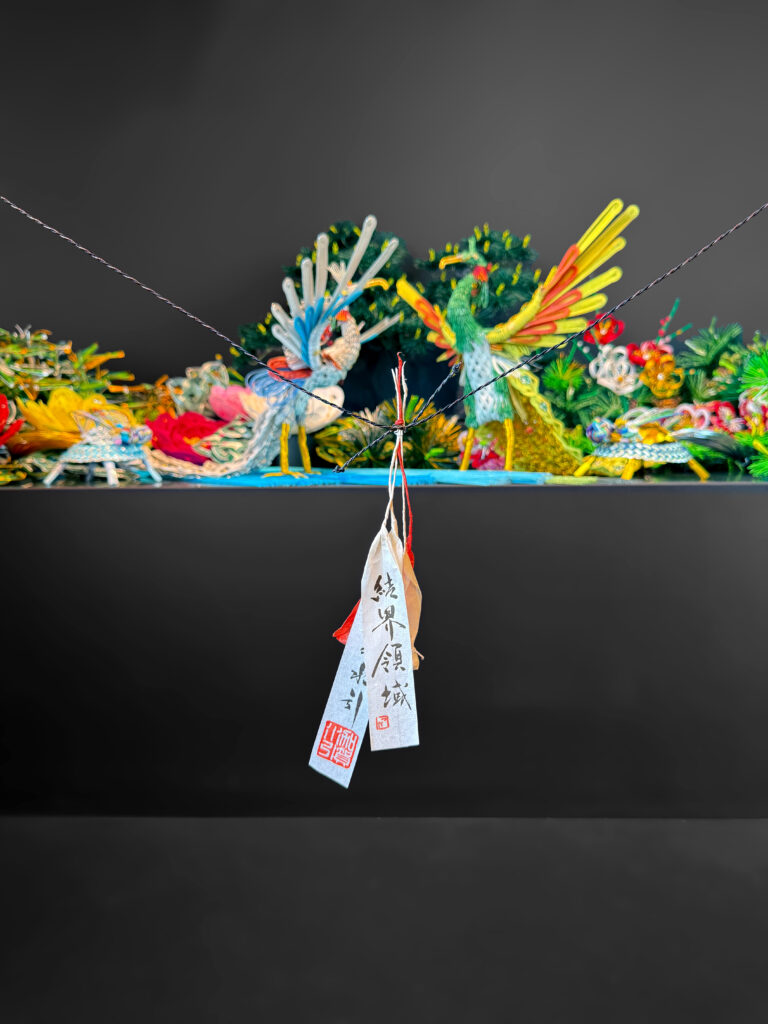
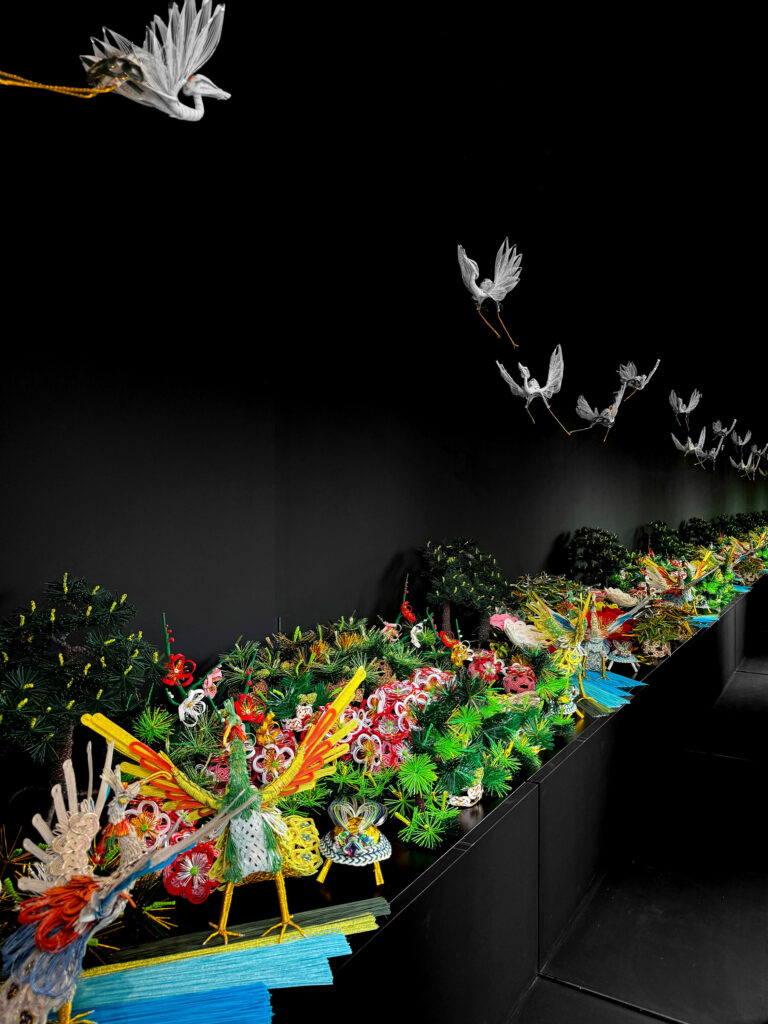
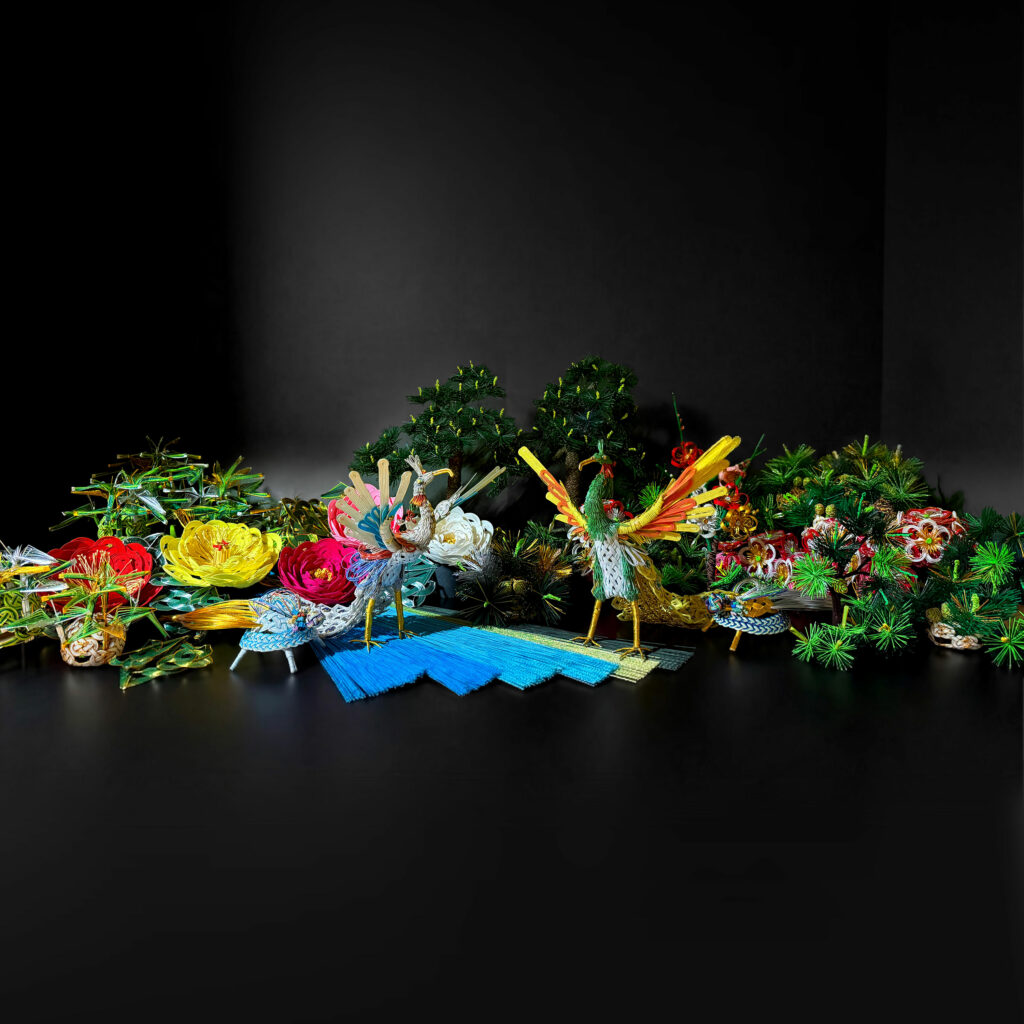
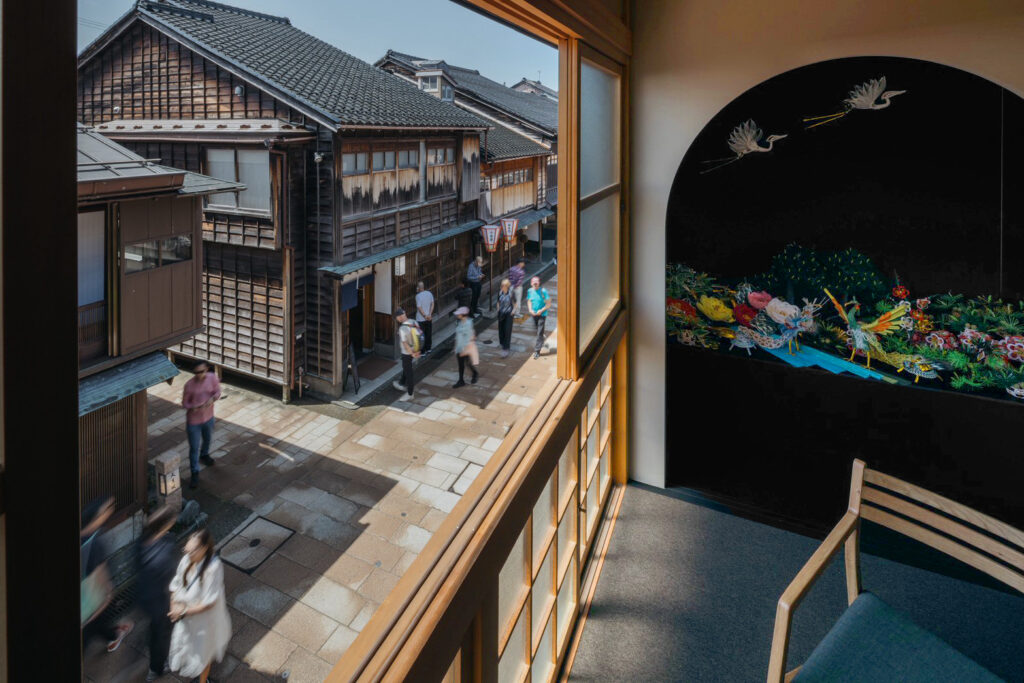
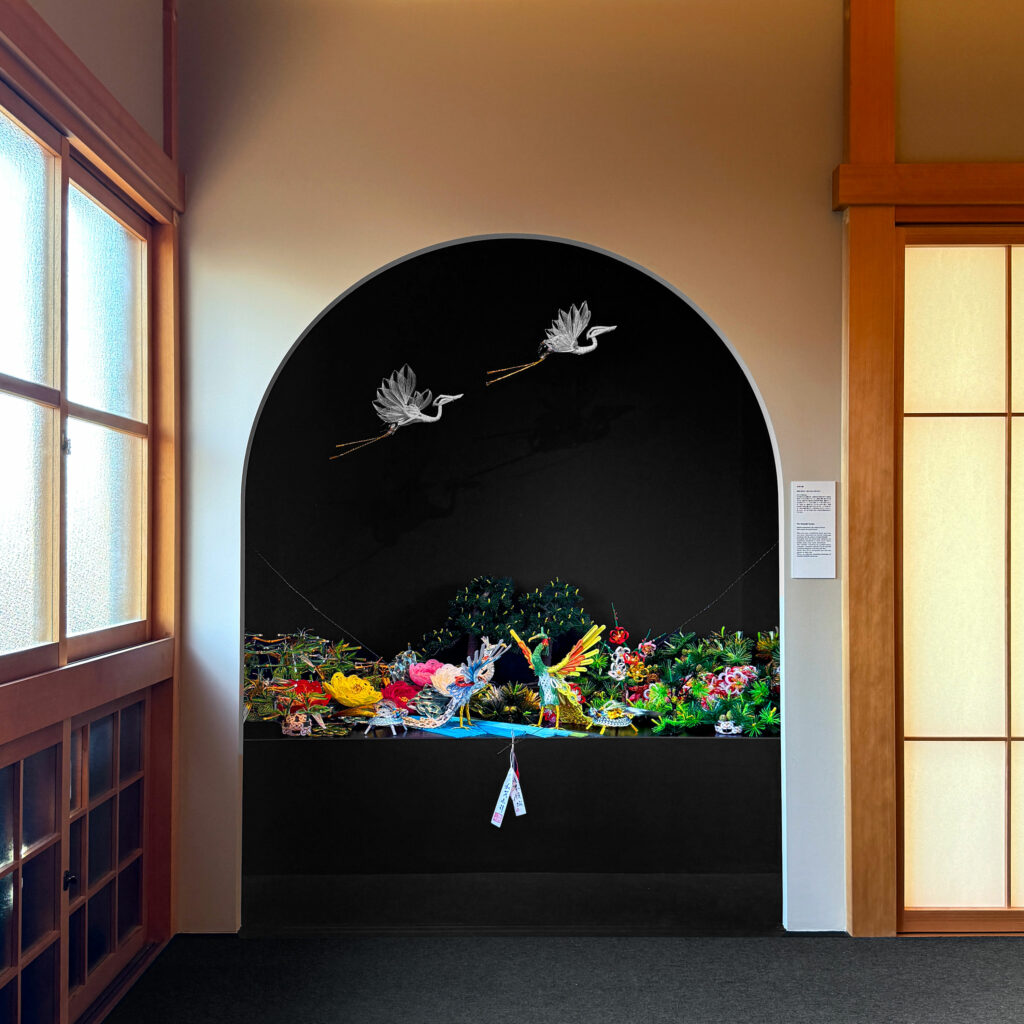
水引の庭
無限に連なる、結びの美と吉祥の祈り
かつての押入れ。その限られた空間は今、加賀水引の技が息づく永遠の景色へと生まれ変わりました。 漆黒の闇に浮かび上がるのは、色鮮やかに結ばれた松竹梅や鶴亀、鳳凰といった吉祥のモチーフ。 合わせ鏡によって創り出されたこの「永遠」は、途切れることのない良きご縁と、皆様の末長い幸せを願う祈りそのものです。 どうぞ近づいて、左右の鏡の奥をそっと覗き込んでみてください。 そこには、どこまでも続く美しい水引の景色が広がっています。
The Mizuhiki Garden
Infinite connections: the beauty of knots and a prayer for good fortune
What was once a traditional closet space has now been reborn into an eternal landscape breathing with the artistry of Kaga Mizuhiki. Emerging from the pitch-black darkness are auspicious motifs tied in vivid colors—pine, bamboo, plum, crane, turtle, and phoenix. The “eternity” created by the parallel mirrors embodies a prayer for unbroken bonds and the everlasting happiness of all who visit here. Please step closer and gently peer into the mirrors on either side. There, an endlessly expanding landscape of beautiful Mizuhiki awaits you.
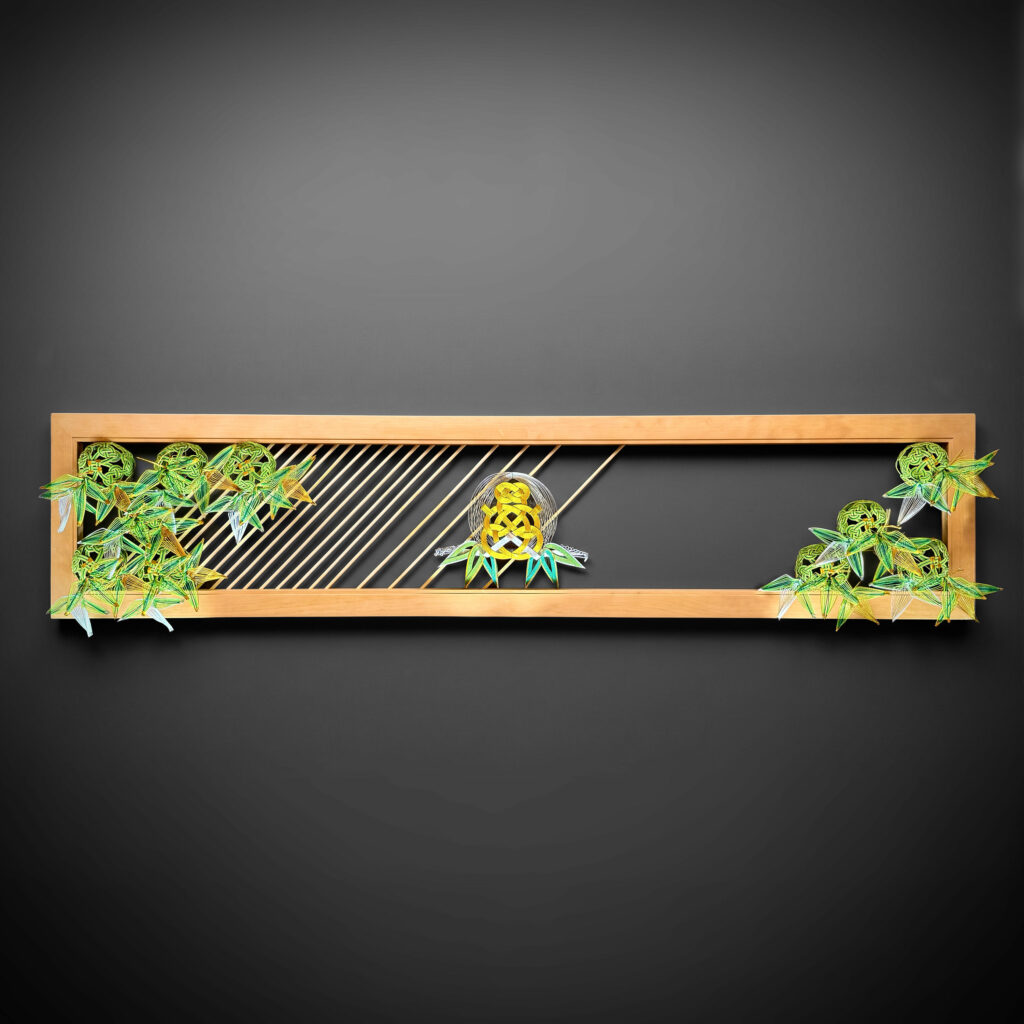
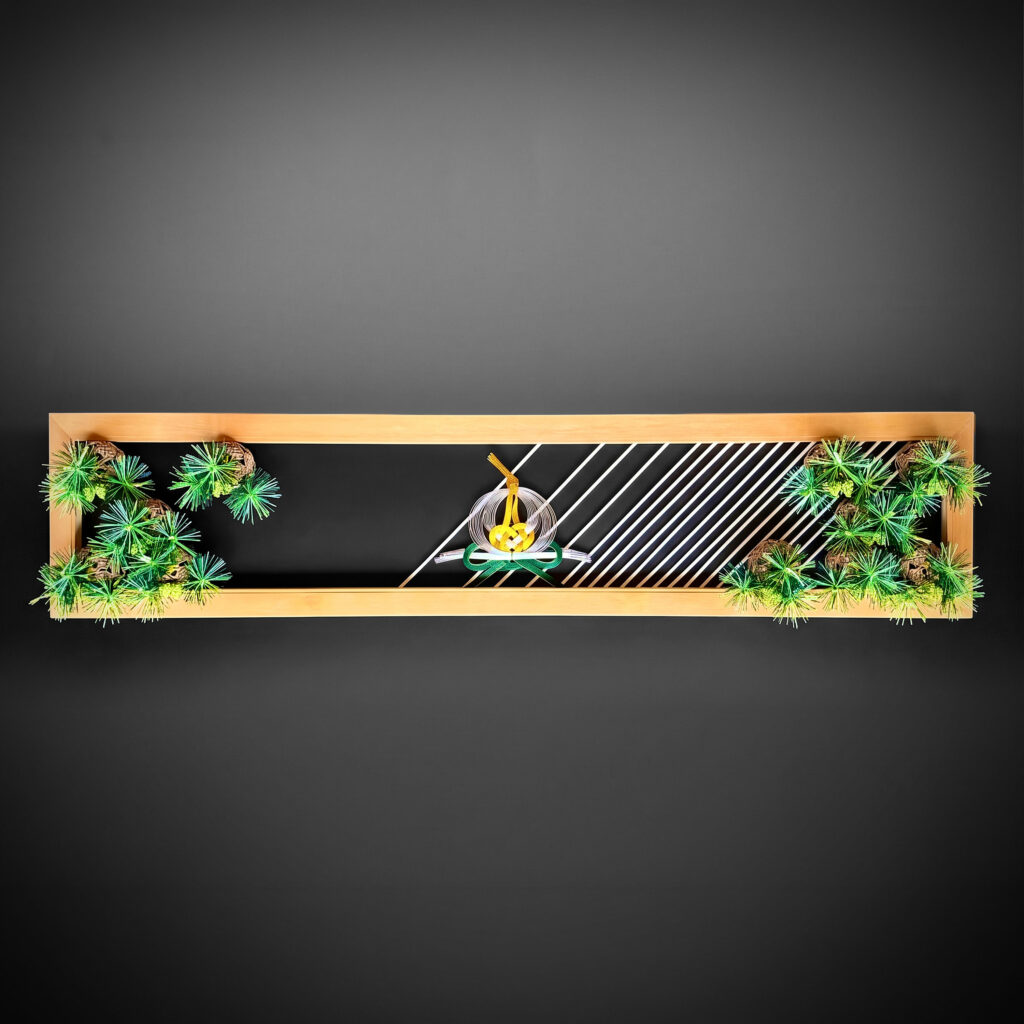
水引欄間
空間を緩やかに繋ぐ、鶴と亀の吉祥模様
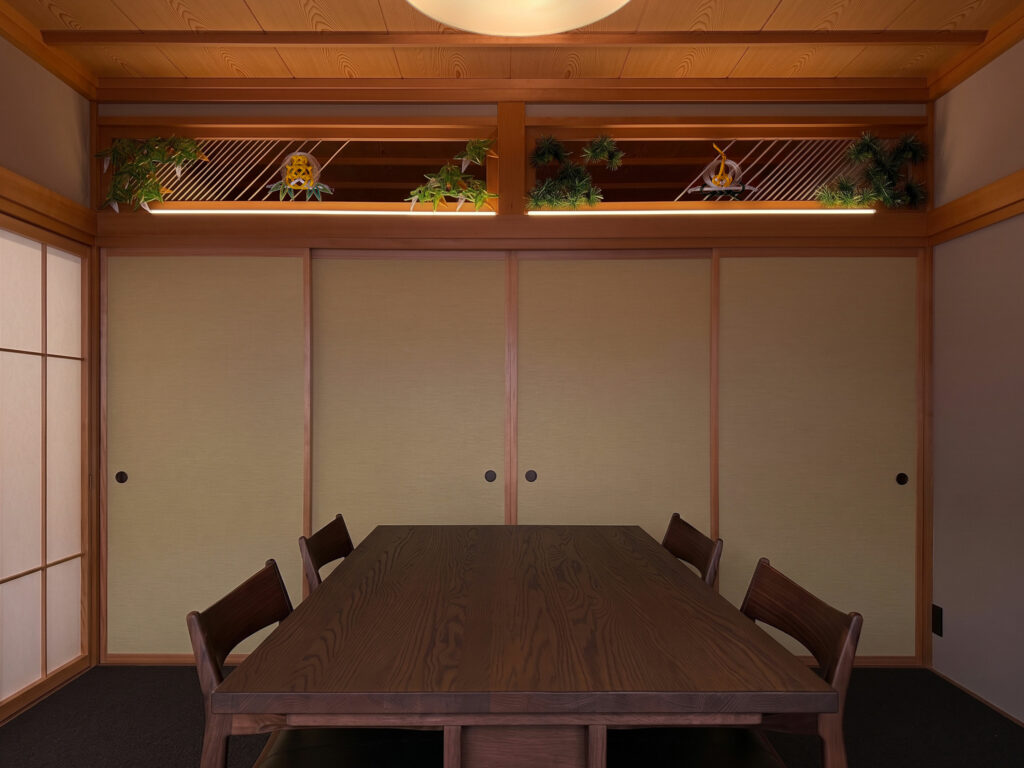
居間と寝室。ふたつの空間の境界に、加賀水引の技が息づく特別な「欄間」をしつらえました。左右に広がる立体的な松と竹に対し、中央には紋様のように平面的に結ばれた「鶴」と「亀」が静かに佇みます。光や気配を優しく通す、欄間本来の「透かし」の役割を美しく果たす結びの意匠。古来より、末長い繁栄と良きご縁の象徴として親しまれてきた鶴亀。語らいの居間から、安らぎの寝室へ。この結びの下を行き交う皆様の穏やかな時間が、いつまでも長く続きますように。
The Mizuhiki Ranma
Gently connecting spaces: the auspicious motifs of the Crane and Turtle
The living room and the bedroom. At the boundary of these spaces, a special ranma (traditional transom) breathing with the art of Kaga Mizuhiki has been installed. Contrasting with the three-dimensional pine and bamboo on the sides, a “Crane” and “Turtle,” knotted flatly like traditional crests, sit quietly in the center. This knotted design beautifully fulfills the ranma’s original role of openwork, gently allowing light and presence to pass through. Since ancient times, the crane and turtle have been loved as symbols of everlasting prosperity and good ties. From the living room of conversation to the bedroom of tranquility. May the peaceful time of all who pass beneath these knots continue endlessly.
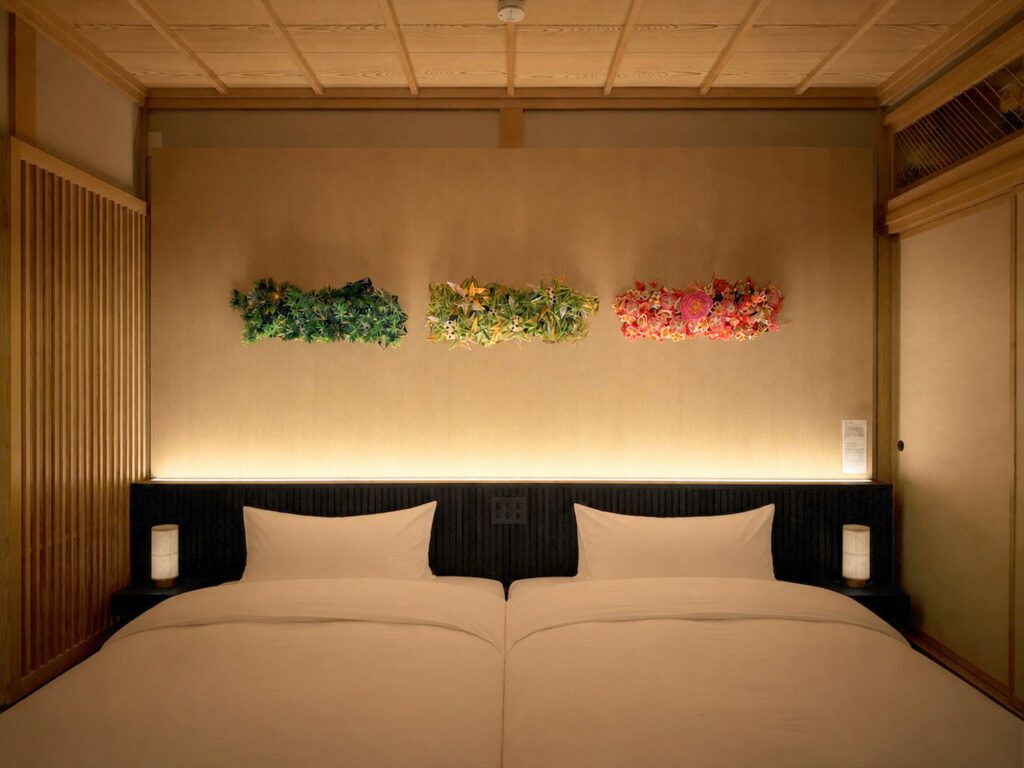
生命宿る、松竹梅
明日への活力を育む、結びの美と癒やしの空間
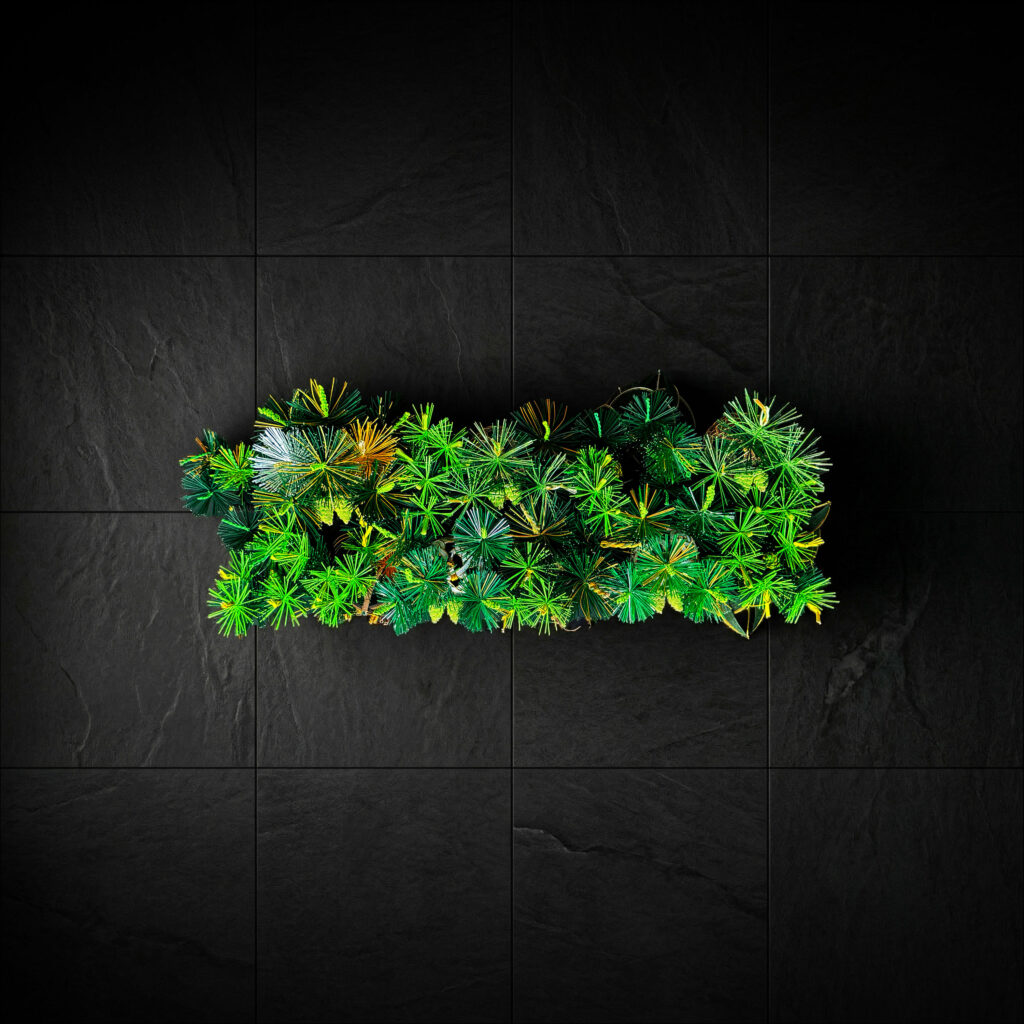
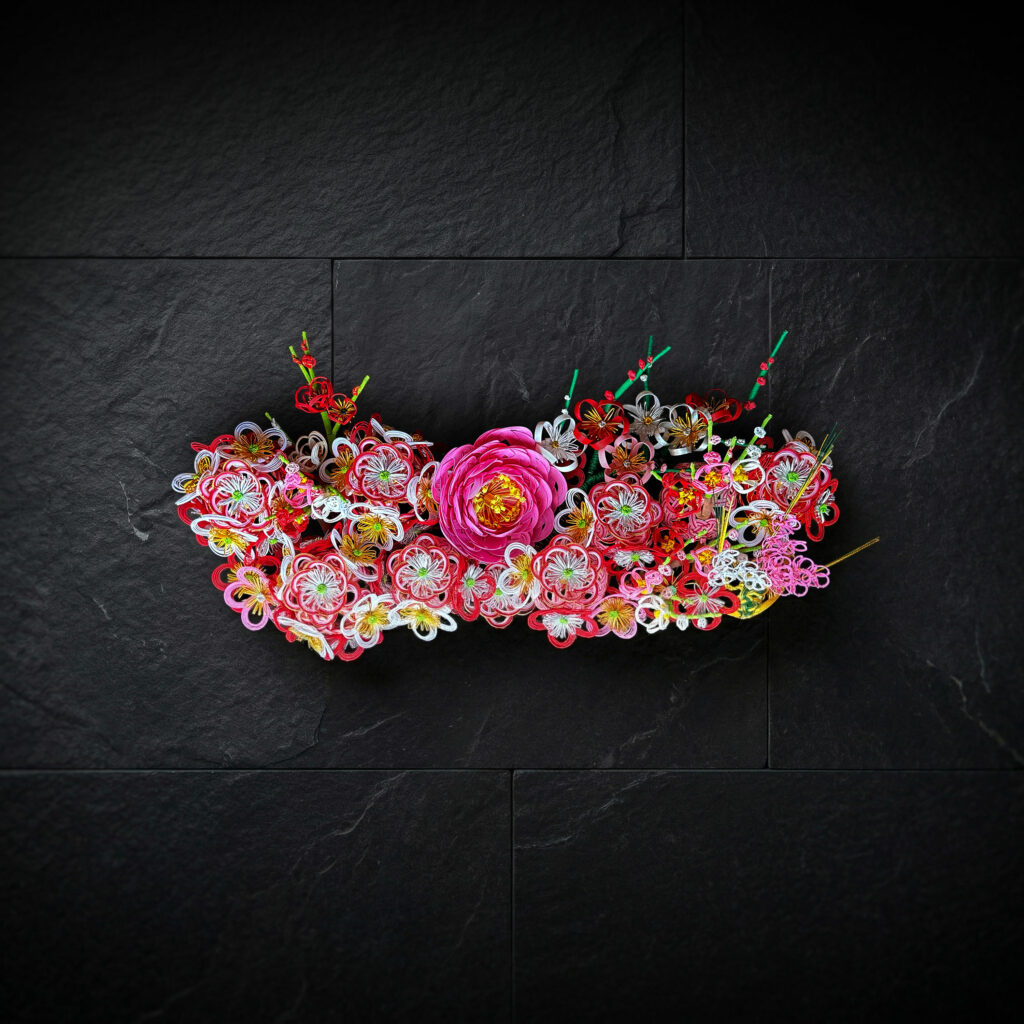
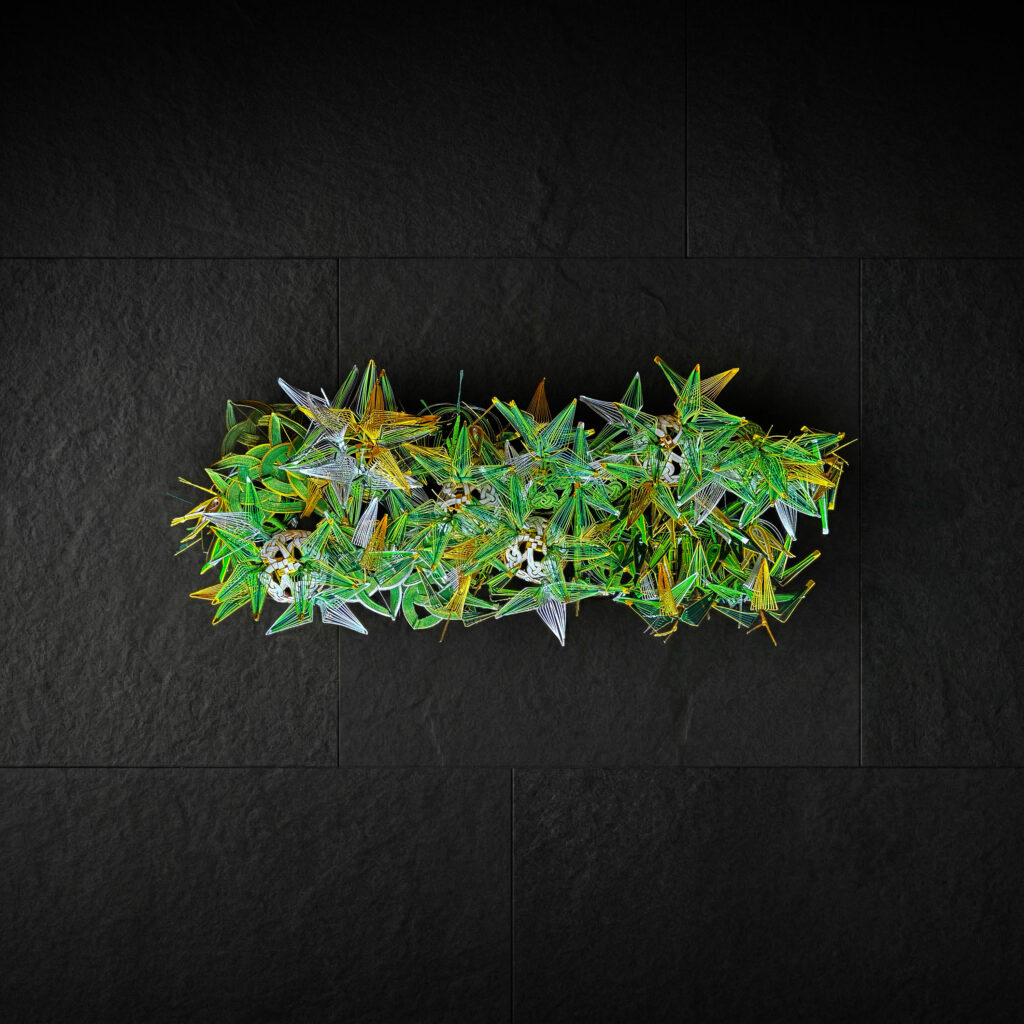
100年を超える加賀水引の技が息づく「松・竹・梅」の連作。 各パネルには、多彩な技法で結び上げられたモチーフが、 まるで宝石箱のように敷き詰められています。 常緑の輝きを失わない「松」。 天を突くように、しなやかに伸びゆく「竹」。 過酷な冬を越え、百花に先駆けて気高く咲く「梅」。 古来より日本人が愛してきた、力強い生命力と吉祥の象徴です。 一日の疲れを解きほぐし、心身をリセットする枕元で。 この瑞々しい生命の結びが、心地よい休息と晴れやかな目覚めを祝福します。
A Breath of Life: Pine, Bamboo, and Plum
Cultivating vitality for tomorrow: a space of healing and knotting artistry
A triptych of “Pine, Bamboo, and Plum,” breathing with over a century of Kaga Mizuhiki craftsmanship. Each panel is adorned with motifs created through diverse knotting techniques, laid out beautifully like a sparkling jewelry box. The “Pine,” retaining its evergreen brilliance all year round. The “Bamboo,” growing flexibly and piercing the heavens. The “Plum,” blooming nobly ahead of all others after surviving a harsh winter. Since ancient times, Japanese people have cherished these plants as symbols of powerful vitality and good fortune. Here at your bedside, where you unwind and reset your mind and body. May these fresh, life-filled knots bless you with a restful sleep and a bright, radiant awakening.
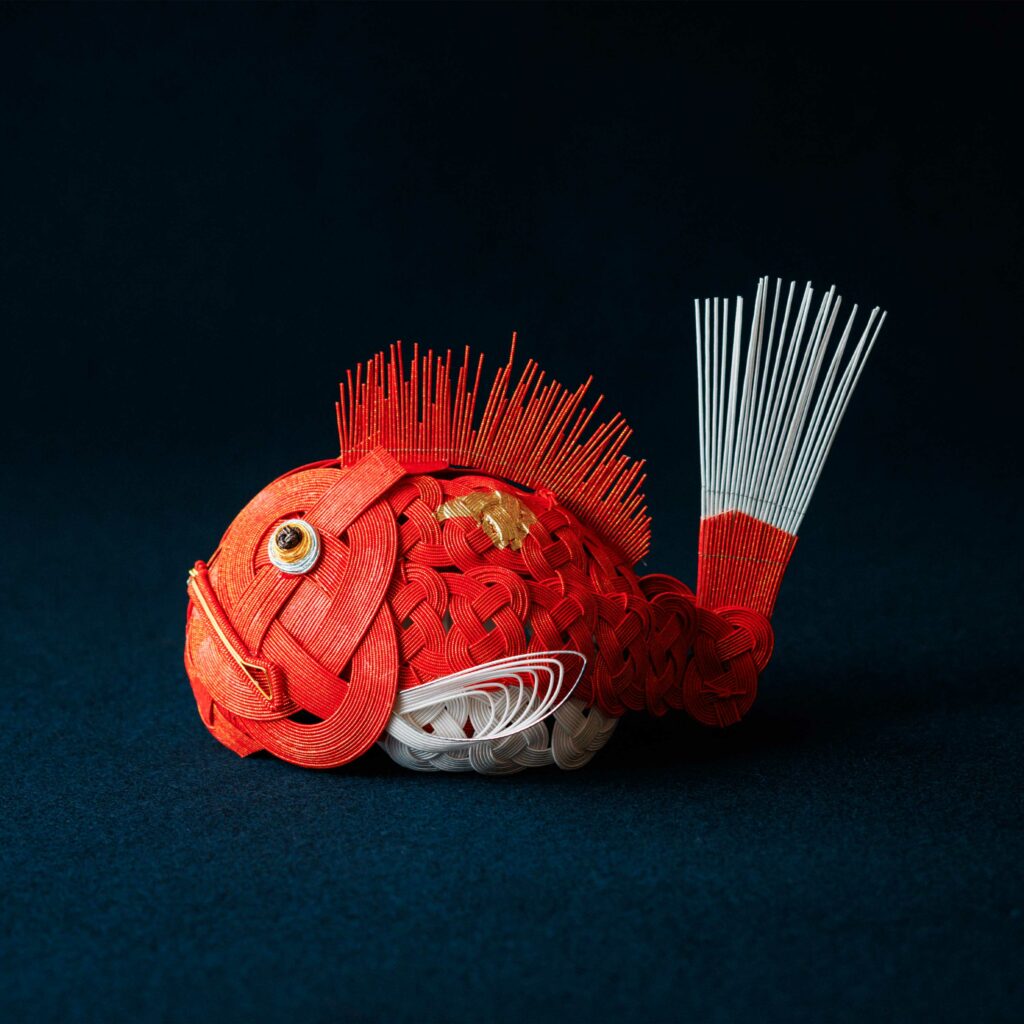
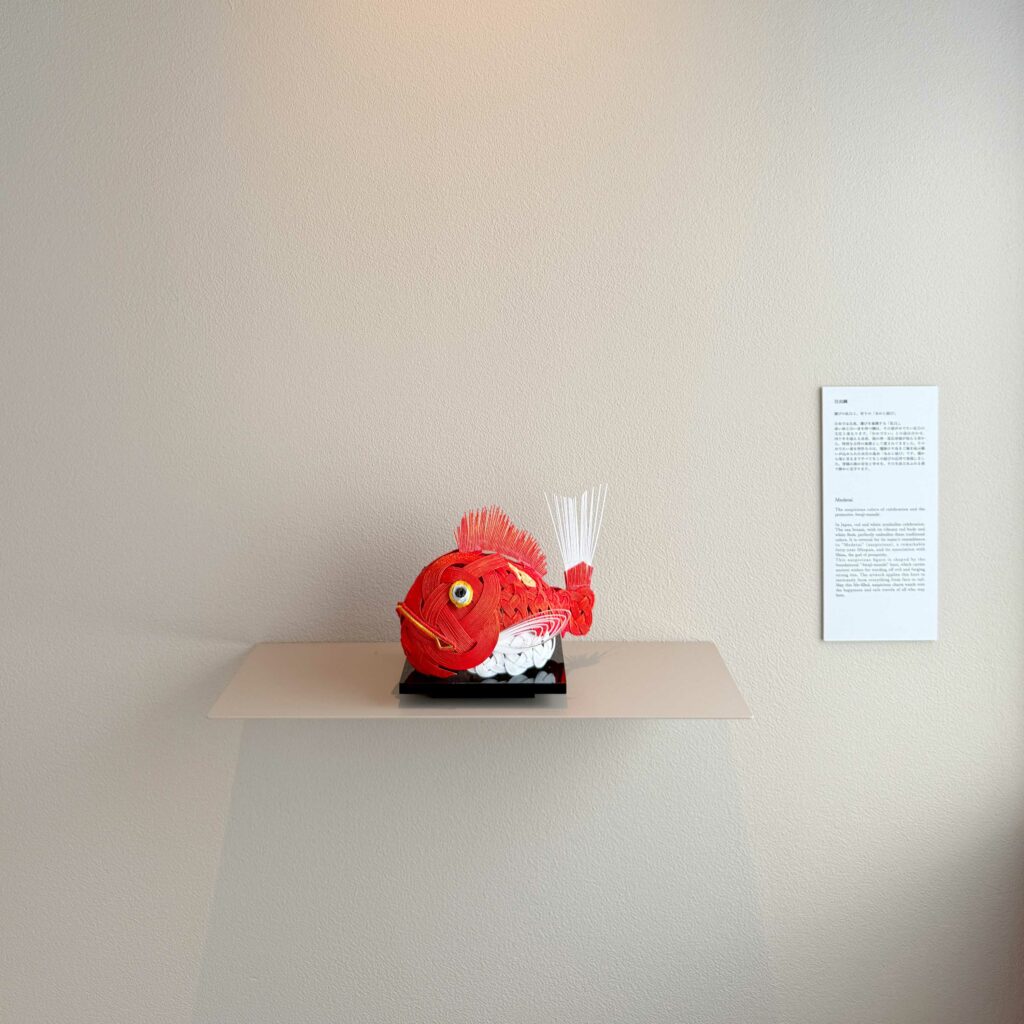
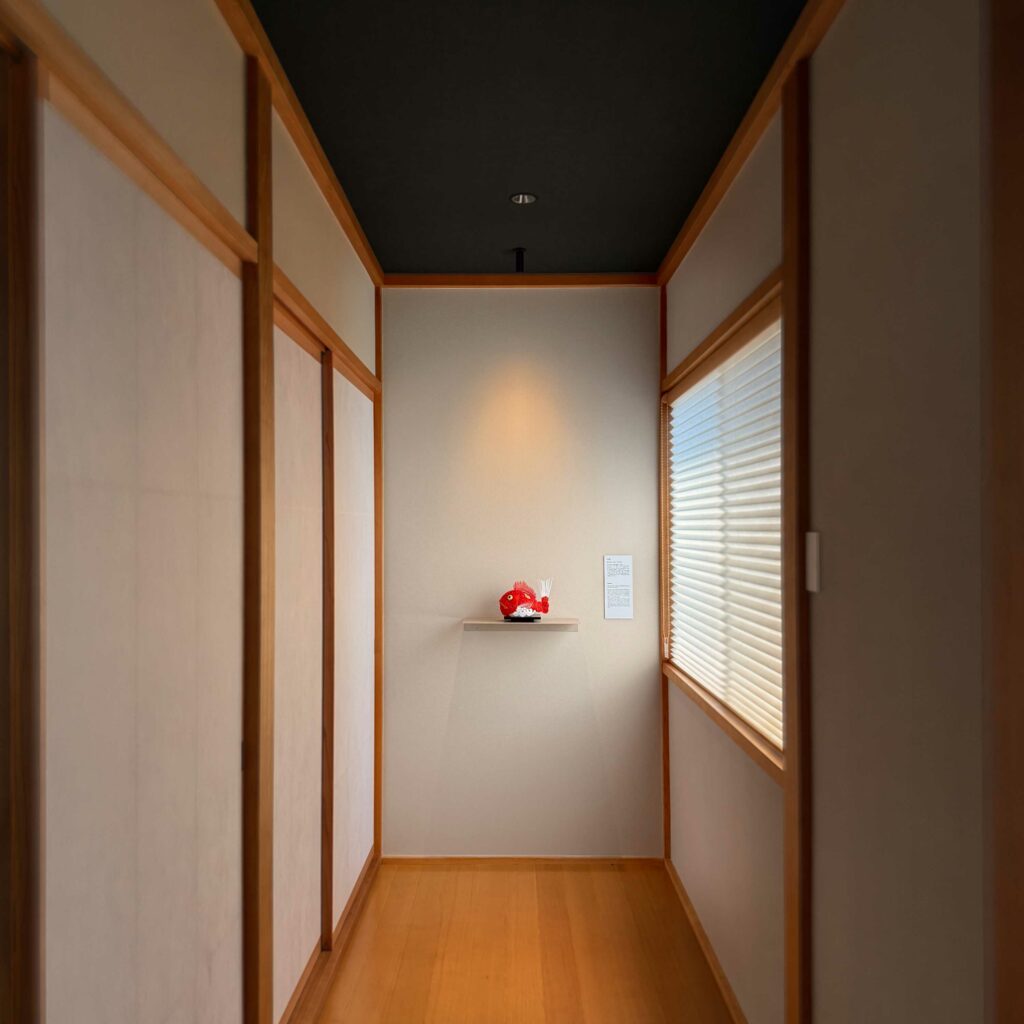
目出鯛
慶びの紅白と、祈りの「あわじ結び」
日本では古来、慶びを象徴する「紅白」。赤い体と白い身を持つ鯛は、その姿がめでたい紅白の文化と重なります。「おめでたい」との語呂合わせ、四十年を超える長寿、福の神・恵比寿様が抱える姿から、特別な吉祥の象徴として愛されてきました。そのめでたい姿を形作るのは、魔除けや良きご縁を結ぶ願いが込められた水引の基本「あわじ結び」です。顔から尾に至るまですべてをこの結びの応用で表現しました。皆様の旅の安全と幸せを、その生命力あふれる姿で静かに見守ります。
Medetai
The auspicious colors of celebration and the protective Awaji-musubi
In Japan, red and white symbolize celebration. The sea bream, with its vibrant red body and white flesh, perfectly embodies these traditional colors. It is revered for its name’s resemblance to “Medetai” (auspicious), a remarkable forty-year lifespan, and its association with Ebisu, the god of prosperity. This auspicious figure is shaped by the foundational “Awaji-musubi” knot, which carries ancient wishes for warding off evil and forging strong ties. The artwork applies this knot to intricately form everything from face to tail. May this life-filled, auspicious charm watch over the happiness and safe travels of all who stay here.